Heat Reflective Coating Manufacturer In Udaipur
Details of Heat Reflective Coating
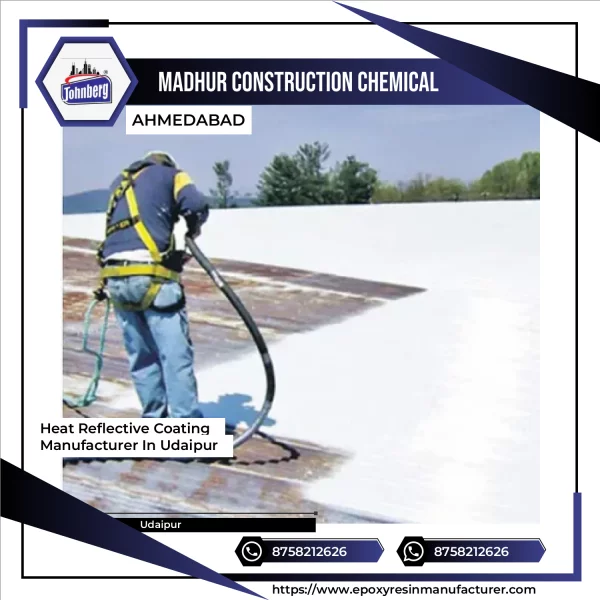
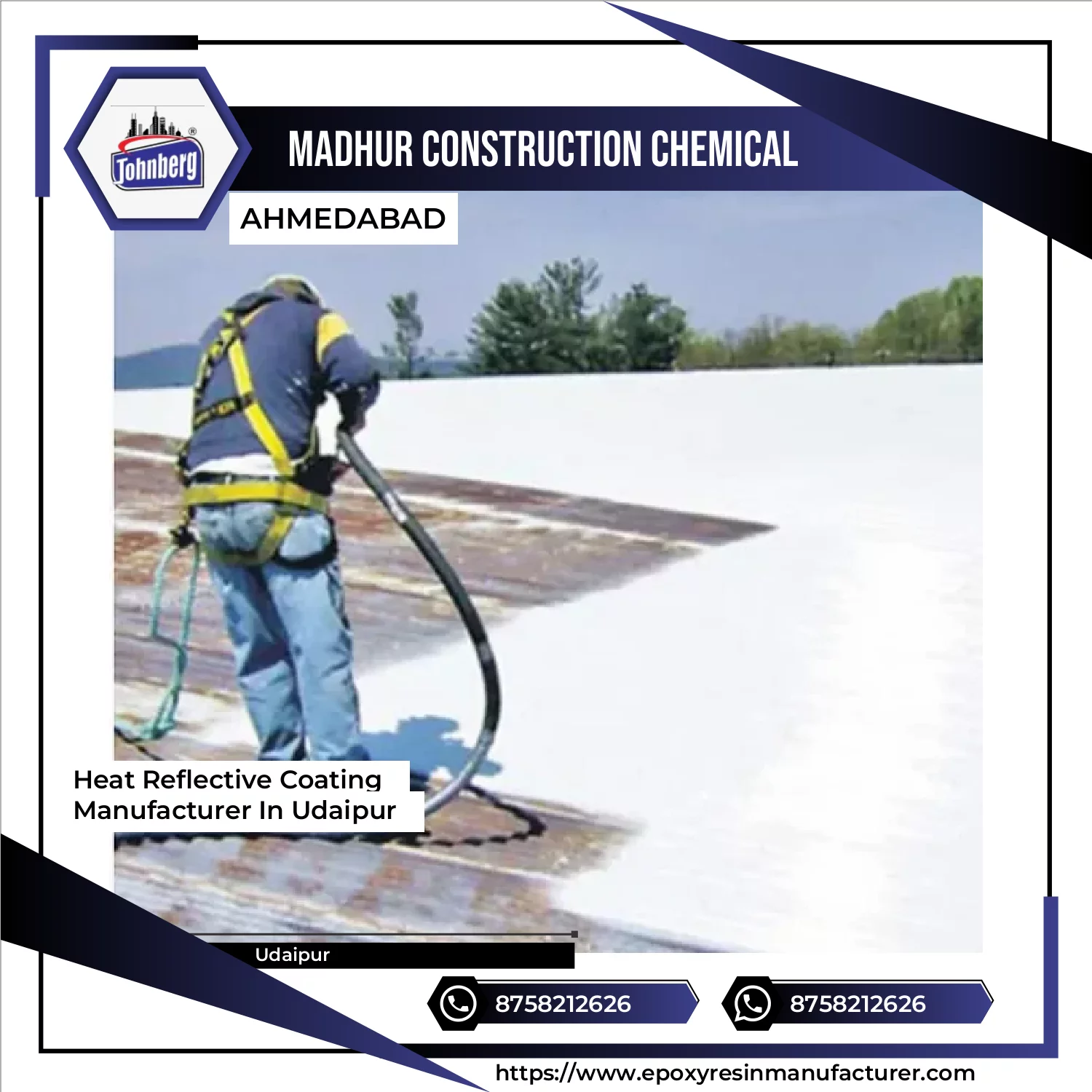
Heat reflective coating is a type of surface treatment designed to reduce the amount of heat absorbed by a material. It works by reflecting a significant portion of solar radiation away from the surface, which helps in maintaining lower temperatures. This coating is commonly applied to roofs, walls, and other exterior surfaces to improve energy efficiency in buildings. By minimizing heat absorption, it reduces the need for excessive air conditioning and lowers energy consumption. This not only saves on electricity bills but also contributes to environmental conservation by decreasing greenhouse gas emissions.
The coating is usually made from materials that have high reflectivity and thermal emittance properties. These materials can include ceramic particles, titanium dioxide, or specially formulated polymers. When applied, the coating forms a thin, durable layer that resists weathering, UV radiation, and moisture. This durability ensures long-term performance without frequent maintenance. Heat reflective coatings are available in a variety of colors, but lighter shades are particularly effective in reflecting sunlight.
In addition to energy efficiency, heat reflective coatings provide other benefits. They can improve indoor comfort by keeping interior spaces cooler, protect the underlying structure from thermal stress, and extend the lifespan of roofing materials by preventing cracking and fading. The application process is generally straightforward, involving cleaning the surface and applying the coating using a brush, roller, or spray equipment.
Overall, heat reflective coatings offer a cost effective and environmentally friendly solution for managing heat in residential, commercial, and industrial buildings. They are an essential component of sustainable construction practices and play a key role in enhancing energy efficiency while maintaining a comfortable indoor environment. With increasing awareness of climate change and rising energy costs, the demand for heat reflective coatings is expected to grow significantly in the coming years.
Offered Product
