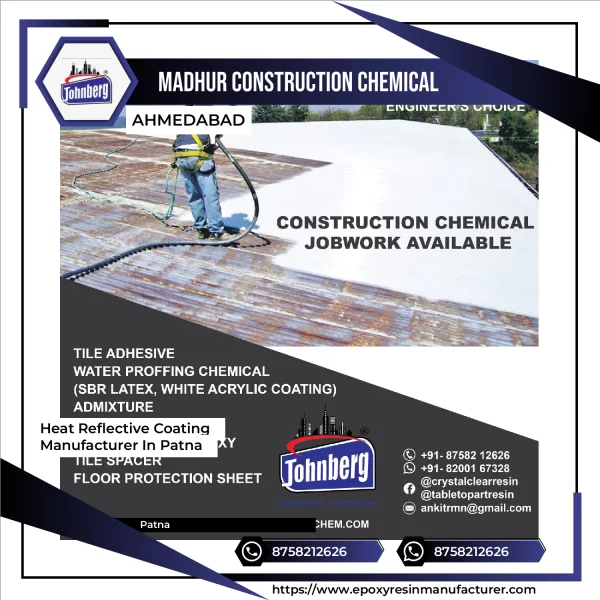
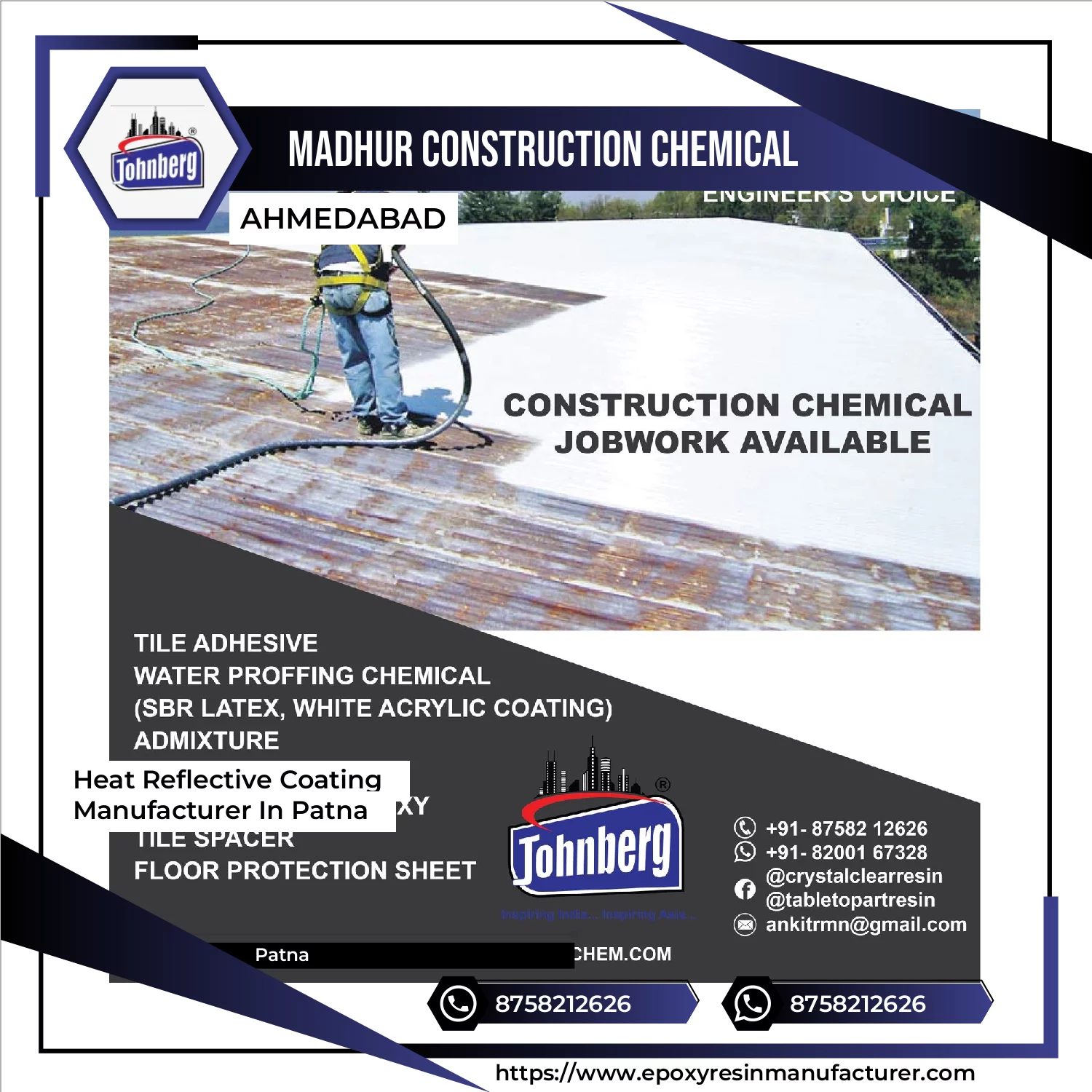
Heat Reflective Coating Manufacturer In Patna
Details of Heat Reflective Coating
Heat reflective coating is a specialized surface treatment designed to reduce the amount of heat absorbed by buildings and other structures. It works by reflecting a significant portion of the suns rays away from the surface instead of allowing them to penetrate and generate heat. This type of coating is commonly applied to roofs walls and industrial equipment to improve thermal performance and energy efficiency. By lowering surface temperatures it helps maintain a cooler indoor environment especially in regions that experience high levels of sunlight and warm weather throughout the year.
The primary function of heat reflective coating is to minimize heat gain. Traditional surfaces such as metal concrete and asphalt tend to absorb solar radiation which increases indoor temperatures and places greater demand on air conditioning systems. In contrast heat reflective coatings contain specially formulated pigments and reflective materials that bounce back infrared and ultraviolet radiation. As a result buildings coated with this technology can experience noticeable reductions in interior heat levels leading to improved comfort and lower energy consumption.
In addition to energy savings heat reflective coatings also contribute to extending the lifespan of building materials. Excessive heat can cause expansion contraction and gradual degradation of roofing membranes and other surfaces. By maintaining lower surface temperatures the coating reduces thermal stress and helps prevent cracks fading and premature aging. This makes it a practical and cost effective solution for residential commercial and industrial properties.
Overall heat reflective coating offers environmental economic and structural benefits. It supports sustainable construction practices reduces greenhouse gas emissions associated with cooling systems and enhances overall building performance making it a valuable investment for modern infrastructure.
Offered Product
