Epoxy Art Resin Manufacturers In Ludhiana
Details of Epoxy Art Resin
Epoxy art resin is a type of synthetic resin that has become increasingly popular in the world of art and craft. It is composed of two main parts the resin and the hardener. When these two components are mixed in the correct ratio a chemical reaction occurs that causes the mixture to harden into a solid glossy finish. The resulting product is a durable and transparent material that can be used in a wide variety of artistic and functional applications. Unlike other finishes such as varnishes or acrylics epoxy resin forms a thick protective layer that can be poured over surfaces to create a glass-like coating. It is valued for its clarity its strength and its ability to preserve and enhance colors and textures beneath it.
Epoxy resin consists of two parts resin and hardener. The resin is typically a viscous liquid that contains epoxide groups which react with the hardener. The hardener contains chemicals such as amines or acids that trigger the curing process. When mixed together the resin and hardener undergo a chemical reaction called polymerization. This reaction links the molecules into long chains forming a rigid plastic material. The mixing process is crucial because improper ratios can result in a resin that does not cure properly or remains sticky. Many art resins are formulated to be self leveling which means they spread evenly across surfaces and reduce the appearance of bubbles.
Epoxy art resin has several important properties that make it suitable for artistic use. It is transparent which allows artists to see the colors and materials beneath it. It has a glossy finish that enhances visual appeal and makes colors appear more vibrant. The cured resin is highly durable resistant to scratches and water resistant. Some resins also offer UV protection which prevents yellowing over time. Epoxy resin is heat resistant to a certain degree which allows it to be used on surfaces that may experience mild temperature changes. Additionally it has excellent adhesion meaning it can stick to a variety of surfaces including wood metal glass and certain plastics.
Uses of Epoxy Art Resin
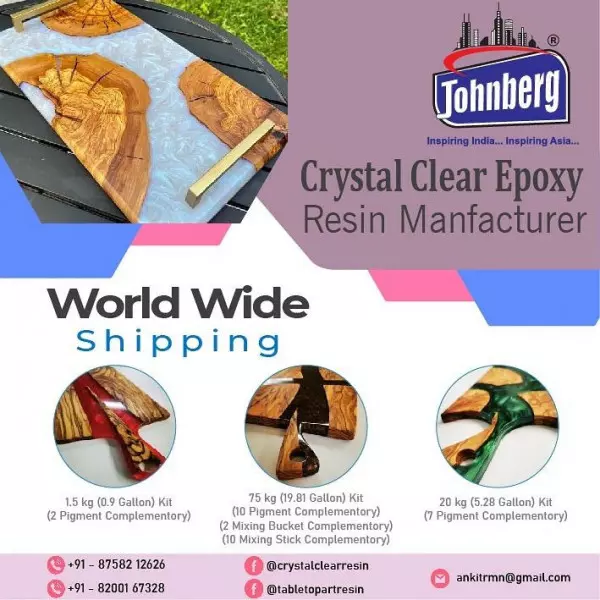
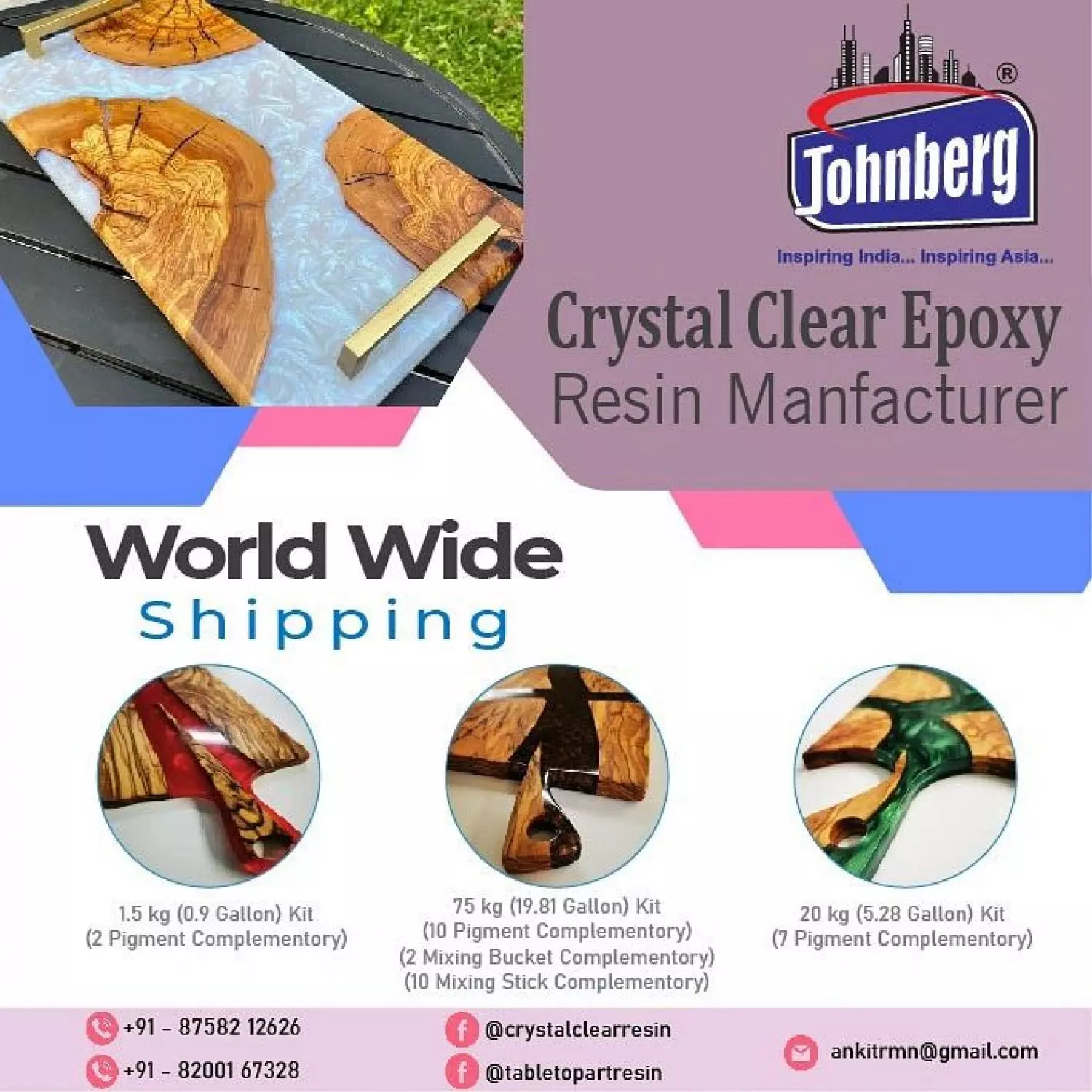
Epoxy art resin can be used in countless creative applications. One of the most popular uses is in river tables. River tables are made by pouring resin between slabs of wood to create the appearance of a flowing river. Artists often add pigments or dyes to the resin to give it color and create unique effects. Resin can also be used for jewelry making. Small pieces of wood stones shells or other objects can be encased in resin to make pendants earrings and bracelets. Epoxy resin is also used in painting. Artists pour resin over their paintings to create a glossy protective layer that enhances the depth of the colors. Resin can be used to create coasters trays and other decorative objects. It is also used in sculpture and mixed media art to add texture and dimension. Some artists combine resin with materials like glitter sand or metallic powders to create striking visual effects.
Application of Epoxy Art Resin
Using epoxy resin requires careful preparation. The first step is to select the surface and prepare it. Surfaces must be clean dry and free from dust or grease. Wood surfaces may need to be sanded to create a smooth base. Resin can be poured directly onto the surface or applied with a brush or spatula depending on the effect desired. Mixing is a critical step. Resin and hardener must be measured accurately according to the manufacturers instructions. Typically equal parts by volume are used. The components should be stirred slowly and thoroughly to avoid creating bubbles. Once mixed the resin begins to cure and must be poured within the recommended working time.
Offered Product
